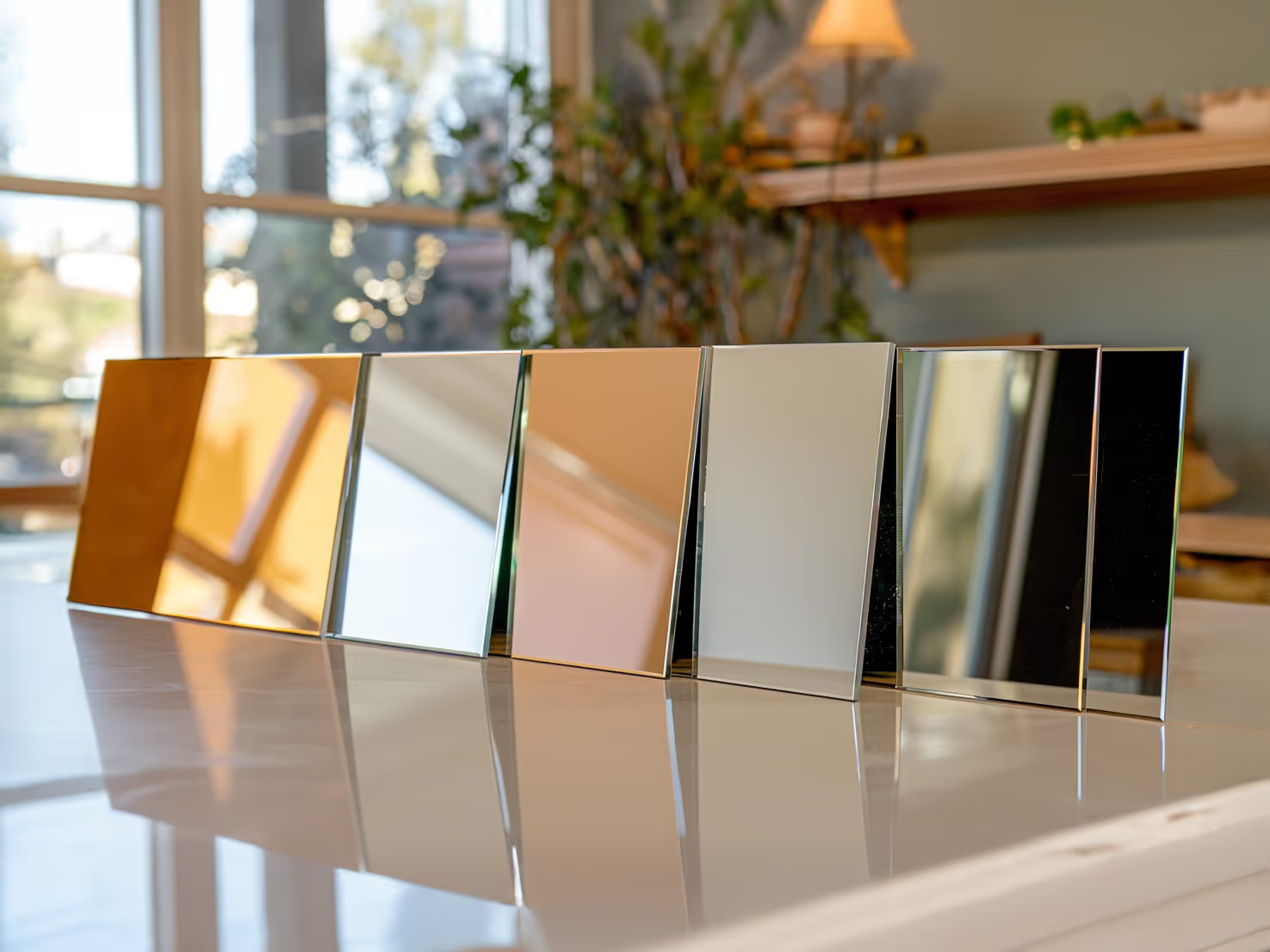
Commercial-grade mirror fabrication engineered for accuracy, durability, and seamless installation across any environment.
At Mirrorworld, we take pride in providing a seamless and professional commercial mirror installation experience from start to finish. Our process is designed to ensure accuracy, efficiency, and a flawless final result. Here’s how we make it happen:

We first visit your premises to assess the wall's structure and take accurate measurements.

Finally, our team returns to install your mirrors, delivering a clean, seamless finish.
We utilise CNC-controlled cutting systems, diamond-wheel cutters, and specialist processing equipment to achieve precise dimensional accuracy across a wide range of panel sizes and geometries. Each mirror is cut according to survey-grade measurements, ensuring consistency across single-panel and multi-panel installations.
Due to the physical limits of our cutting tables and handling equipment, mirror panels must fall within specific dimensional ranges. These typically include:
These constraints ensure structural reliability, minimise stress during processing, and maintain compliance with safety handling protocols.
While most commercial installations use rectangular or square panels, our CNC cutting stations support:
More complex geometries may require staged processing, specialised tooling, or lamination to maintain structural integrity.
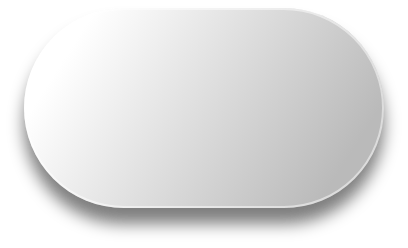





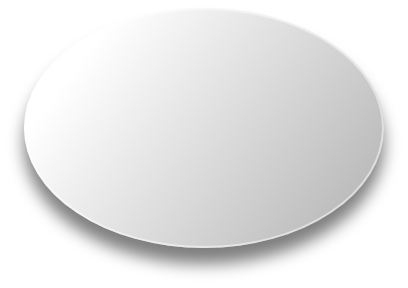





When project requirements exceed standard machine capabilities—such as oversized mirrors, intricate shapes, or ultra-small sections—we provide engineered alternatives, including:
These approaches ensure that even unconventional design requirements can be accommodated without compromising safety, durability, or visual quality.
Edge processing is a critical stage in mirror fabrication, directly influencing structural integrity, handling safety, and long-term durability. Our finishing systems utilise precision grinding, polishing, and profiling equipment to produce edges that meet the required functional and aesthetic standards for commercial installations.
Full polishing is performed using multi-stage grinding and buffing heads that refine the edge to a smooth, glass-like finish. This process:
Polished edges are standard for gym mirrors, dance studios, retail changing rooms, and any installation where edges are visible.
Bevelling introduces an angled or tapered edge, typically between 5mm and 40mm depending on specification. This is a decorative finish commonly used in hospitality, washrooms, high-end interiors, and feature installations.
The bevel is produced through controlled grinding angles and polishing sequences to maintain optical clarity across the profile.
Edge finish options depend on:
Where a requested finish falls outside machine capability, we provide suitable alternatives—such as modified chamfers, segmented bevels, or protective framing solutions.
We source architectural-grade mirror glass that meets strict optical and flatness criteria. Each sheet undergoes visual and mechanical inspection to confirm uniform reflectivity, coating stability, and substrate consistency prior to fabrication.
Using precision CNC and diamond-blade cutting systems, we dimension each panel to exact measurements taken during the survey stage. This ensures minimal tolerance deviation, clean edges, and reliable accuracy for multi-panel installations.
Edges are processed to specification through grinding, arrissing, or full polishing to enhance structural integrity and reduce vulnerability to chipping. Where required, decorative bevels or custom edge profiles are applied.
For installations requiring impact safety compliance, we apply CAT II safety film or produce laminated safety-backed mirrors. These solutions prevent hazardous fragmentation and meet commercial safety requirements for high-activity environments.
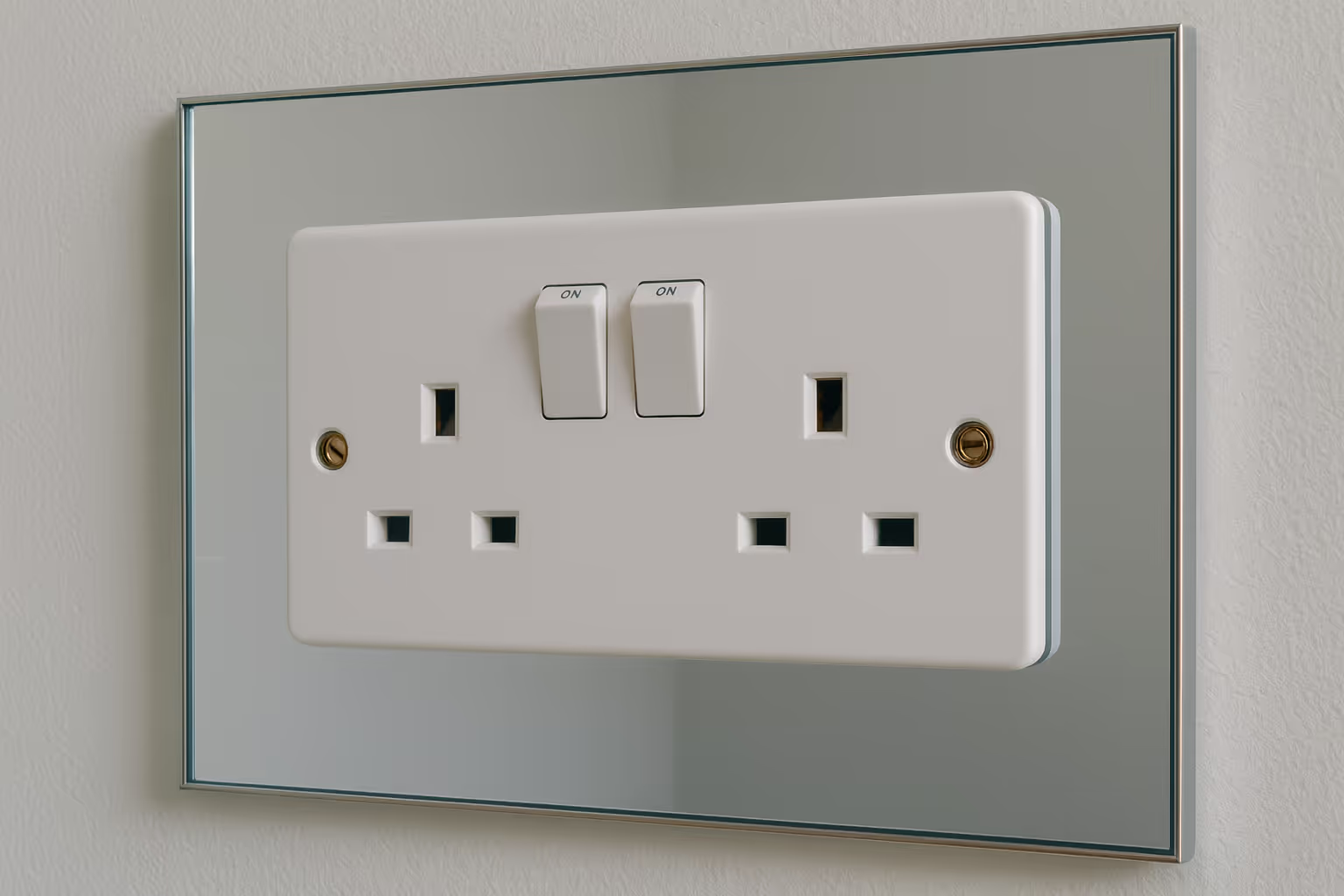
All cut-outs for electrical sockets, switches, lighting fixtures, or architectural penetrations are machined using specialist glass-drilling and CNC routing equipment. Cut-outs are executed to millimetre accuracy to prevent stress fractures during handling or installation.
Where moisture exposure is expected—such as in hospitality, spa, and bathroom environments—we apply additional coating measures or specify corrosion-resistant mirror substrates to improve durability and longevity.
Every panel undergoes a detailed inspection process that includes flatness verification, edge integrity testing, and a reflective quality assessment to ensure optical accuracy with no distortion, blemishes, or coating defects.
Completed panels are cleaned, labelled, and prepared for transport with protective packaging designed for mirror-grade materials. Installation notes and handling requirements are logged to ensure the panels arrive ready for safe, efficient installation.
Each commercial environment presents unique mechanical, environmental, and safety considerations. Our manufacturing process is adapted accordingly to ensure correct mirror specification, long-term performance, and full compliance with relevant standards.
These spaces are subject to elevated vibration, impact risk, and continuous use. Mirror manufacturing for these environments prioritises:
Gym and studio mirrors are engineered to maintain stability despite repetitive vibration, footfall loads, and direct proximity to users.
Hotel environments combine aesthetic requirements with variable humidity and cleaning chemical exposure. Manufacturing typically includes:
These specifications support both visual quality and durability in bathrooms, lobbies, corridors, and guest suites.
Retail requires high optical accuracy and robust edge finishes due to constant public interaction. Manufacturing considerations include:
Optical consistency is especially important in fashion retail and fitting-room environments.
Corporate spaces often involve complex architectural alignments or integration into wall systems. Manufacturing adjustments may include:
These environments prioritise clean aesthetics, accurate alignment, and long-term stability.
Moisture exposure is the primary factor influencing mirror longevity in these spaces. Manufacturing involves:
These measures prevent silvering issues and ensure long-term adhesion in areas with steam, condensation, or continuous moisture cycling.
Here are some common questions to Our Mirror Manufacturing Services neatly grouped into clear, user-friendly categories. This layout helps readers (and search engines) quickly find the answers they need
Typical dimensional tolerances range from ±1–2mm depending on panel size and edge finish. For large-format mirrors or shaped panels, tolerances may vary slightly due to material handling limits. All tolerances are verified against survey measurements to ensure correct on-site alignment.
Cut-outs must maintain minimum edge distances and radius requirements to prevent stress fractures. Extremely small apertures or those placed too close to the mirror edge may be unsafe to manufacture. In such cases, we propose engineered alternatives, including panel segmentation, repositioning, or laminated construction.
Maximum panel size is determined by:
Large-format mirrors are possible, but for oversized installations we may recommend multi-panel assemblies with precision-aligned joints to maintain safety and handling integrity.
Lead times vary based on volume, complexity, and processing requirements. Standard commercial mirror fabrication typically ranges from 5–15 working days, while projects involving extensive cut-outs, beveling, lamination, or large quantities may require additional time.
We provide three main safety backing options, each designed for different levels of protection and environmental conditions:
The recommended backing type is determined by installation environment, substrate conditions, and safety requirements identified during the survey.
Distortion prevention is achieved by selecting flat, high-quality substrates, using calibrated cutting machinery, and applying controlled pressure during safety backing and finishing processes. For multi-panel mirrors, optical alignment is checked across all sections to ensure visual continuity.
Yes. We offer arrissed, polished, bevelled, and various custom profiles, subject to glass thickness and tooling capability. Some complex profiles may require staged grinding or alternative fabrication methods to maintain edge strength.
Yes. Low-iron mirror is available upon request and is recommended for environments requiring superior clarity, such as premium retail, hospitality, and design-led interiors.
Yes. Areas with high humidity, vibration, or temperature flux require specific backing systems, glass thicknesses, and sometimes laminated construction. These requirements are identified during the survey and implemented during manufacturing.
Within tooling limits, we can produce shaped and curved mirrors using CNC routing. Shapes requiring extremely tight radiuses or very small sections may need engineered alternatives to ensure structural integrity.
If you’re planning a commercial mirror project and need expert guidance, Mirrorworld is here to help.
From supply-only orders to full nationwide installation, our team is ready to support your next fit-out with precision, reliability, and unbeatable service. Get in touch today to start your project.
.svg)